Tree-ferns – Our Living Fossils

Tree-ferns – Our Living Fossils

Joseph Brider, Natural Heritage Trust.
First published online (16 Feb 2021).

Tree-fern

Budding Tree-fern (Cyathea decurrens). Photo: CINHT

Scattered throughout the Rarotonga inland forest are our Tree-ferns, known locally as Panga. These plants are not trees, they are ferns which have evolved a trunk-like stem to lift their leaves up off the forest floor in order to seek life-sustaining sunlight.
Continue reading →
Posted by Joseph in Ecology, Plants, Terrestrial, 0 comments
Will Seabed Mining Increase Climate Change?

Will Seabed Mining Increase Climate Change?

Gerald McCormack, Natural Heritage Trust
First published CI News 26 Sept. 2019, modified 10 Feb. 2021.

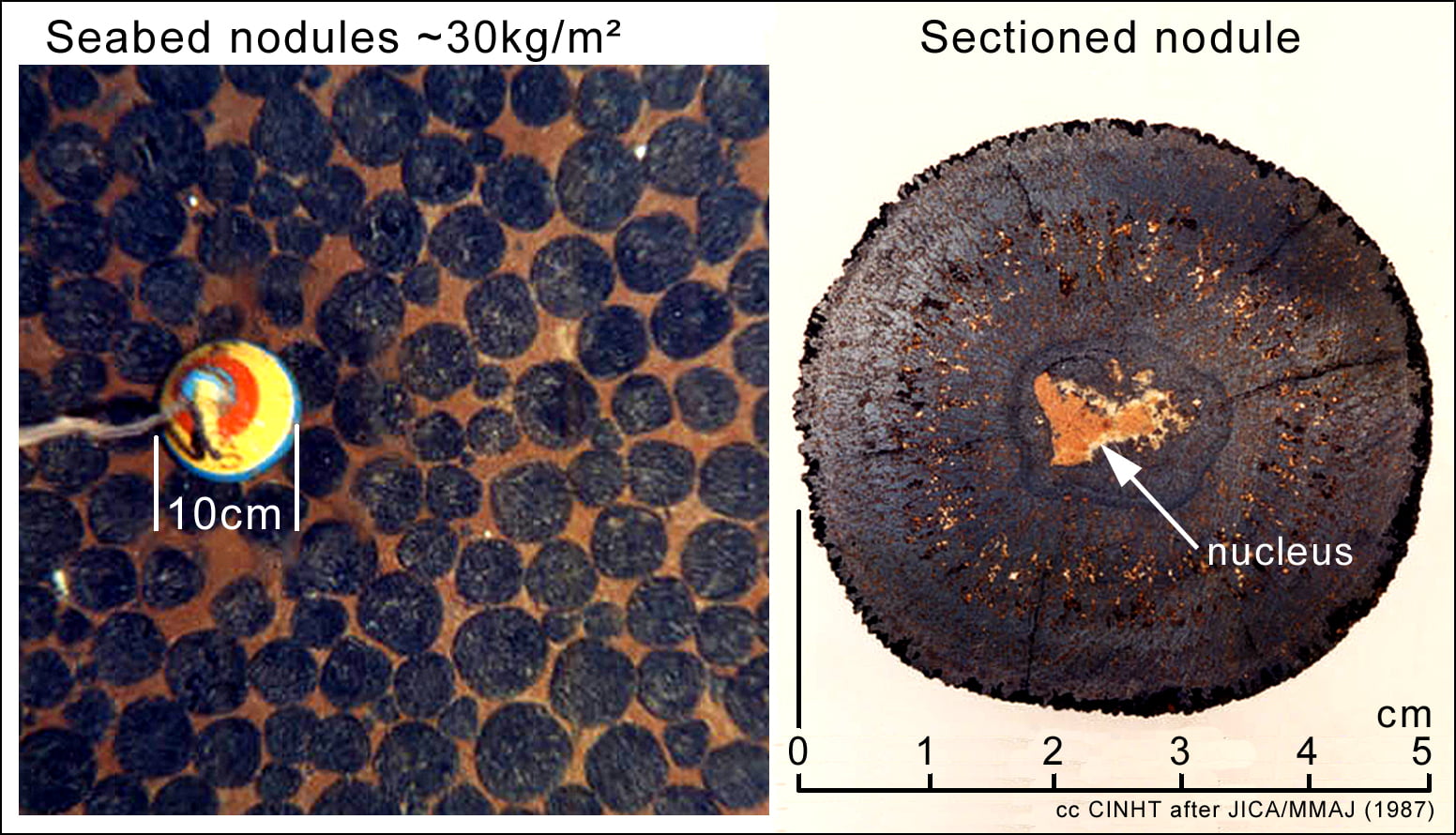
South Penrhyn Basin nodules above the sediment

In July 2019, the Greenpeace report “In Deep Water” warned: “By impacting on natural processes that store carbon, deep sea mining could even make climate change worse by releasing carbon stored in deep sea sediments or disrupting the processes which ……. deliver it to those sediments. Deep sea sediments are known to be an important long-term store of ‘blue carbon’, the carbon that is naturally absorbed by marine life, a proportion of which is carried down to the sea floor as those creatures die.”

Continue reading →

Posted by Gerald in Climate Change, Deep Seabed Mining, 0 comments
Matariki Dusk Rising 14th November

Matariki Dusk Rising 14th November

Gerald McCormack, Natural Heritage Trust
First published CI News 14 November 2020, updated

Pleiades detail and its passage across the Southern Hemisphere sky

The Matariki or Pleiades is a cluster of several hundred stars. To the naked-eye the nine brightest stars form a distinctive, eye-catching group with a glowing background, a bit larger than a Full Moon. People with dark-adapted eyes and excellent distance vision can see eight or nine stars, while most people report five or six.

Traditionally, some Polynesians used the dawn rising of Matariki as the signal marking the next lunar years, while others used the dusk rising as the signal.

Continue reading →

Posted by Gerald in Astronomy, Culture, 0 comments
Golden Plover Migration to Alaska

Golden Plover Migration to Alaska

Gerald McCormack, Natural Heritage Trust

Plumage

During February and March the Pacific Golden-Plovers (Tōrea) transition from their dull non-breeding plumage into contrasting breeding plumage.

Holidaymakers gather in the airport departure lounge to leave for home, and as the boarding time approaches they hear entertainer Jake Numanga announce somewhat solemnly “Well, it’s time to go”. During February and March, Golden Plovers or Tōrea are also gathering around the airport grasslands to leave for home in Alaska. I wonder if they have a Jake bird announcing “Well, it’s time to go”?
Continue reading →

Posted by Gerald in Animals, Ecology, Terrestrial, 0 comments
Raemaru Biodiversity Expedition

Raemaru Biodiversity Expedition

Gerald McCormack, CINHT  06 Jan. 2021

Joseph on cliff to the top.

The invertebrate biodiversity expedition on Raemaru encountered three unique Rarotonga insects, one undescribed, and of the seven locally-unrecorded species, only one was able to be identified.

In December, Maja Poeschko and Kirby Morejohn joined the author and Joseph Brider of the Trust on an expedition to the top of Raemaru. The plan was to survey insects and spiders with a primary goal of finding and photographing the small psyllid insect that was found locally for the first time on a single shrub in 2017.

Continue reading →

Posted by Gerald in Animals, Terrestrial, 0 comments
Load more